
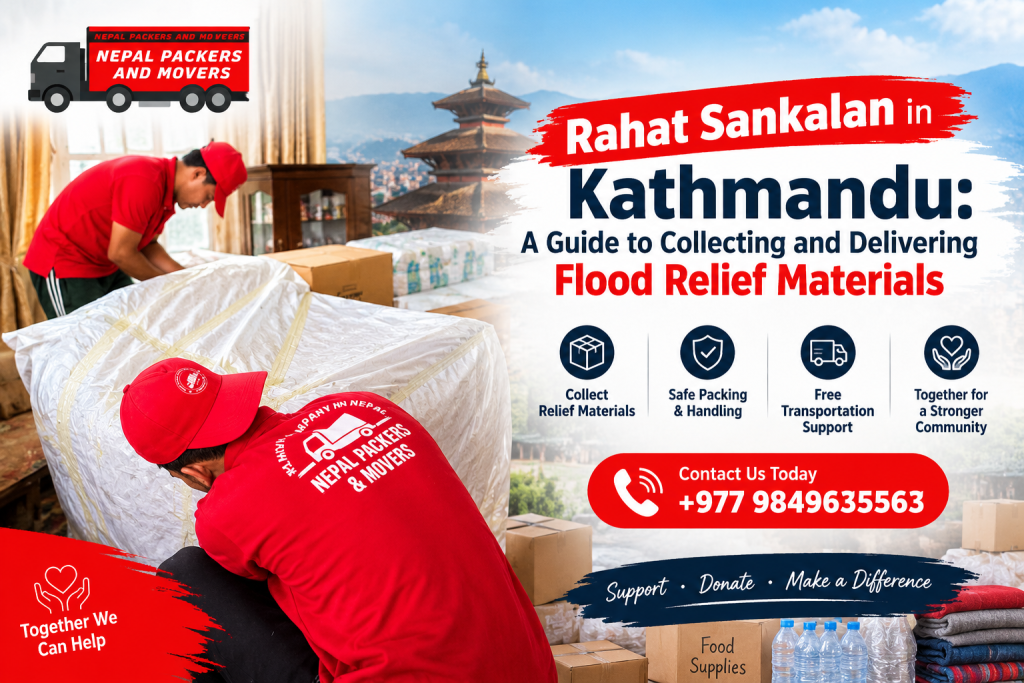
When flood season hits the valley, rahat sankalan in Kathmandu becomes one of the most urgent community efforts in the city. Whether you want to donate clothes, drop off food, or simply find your nearest relief collection point, here’s a short and practical guide to collecting and delivering flood relief materials the right way.
Where Are the Main Collection Points for Rahat Sankalan in Kathmandu?
Most relief collection in Kathmandu happens through two channels: your local ward office and private or youth-led organizations. Before you drop anything off, it helps to know which one is active near you and when they’re open.
- Nearest relief center: Start with your ward office – most municipalities set up a temporary collection desk within a day or two of flooding, and they usually coordinate directly with affected wards.
- Ward office vs private organization: Ward offices are best for verified, large-scale distribution, while private organizations and youth clubs often move faster and can reach smaller, harder-to-access pockets.
- Closing times: Collection centers typically wind down by early evening during relief drives – call ahead if you’re dropping off after 5 PM.
What Materials Are Most Urgently Needed for Flood Relief in Nepal?
Not everything donated ends up being useful on the ground. Relief teams in Nepal consistently ask for the same core essentials during flood response.
- Clothes: Yes, used clothes are accepted, provided they’re clean, dry, and in wearable condition – pack them in sealed bags to keep them from getting damp in transit.
- Food items: Dry, non-perishable food is the priority – puffed rice (chiura), biscuits, instant noodles, sugar, salt, and bottled or purifiable water.
- Hygiene kits: Pack soap, sanitary pads, toothbrushes, ORS packets, and a small first-aid kit into one sealed pouch per family – it’s easier to distribute than loose items.
How Can I Volunteer for Relief Material Collection in Kathmandu?
If you’d rather give your time than your wallet, most collection drives in Kathmandu welcome hands-on volunteers.
- Sorting materials: Volunteers are usually needed to sort donations by category (food, clothes, hygiene) before they’re packed for dispatch.
- What to bring: Wear closed shoes, bring gloves if you have them, and carry your own water – most donation centers get busy and warm fast.
- Youth organizations: Several youth clubs and college groups in the valley run their own collection points during flood season – check their social pages for the nearest active one.
How Do I Transport Relief Materials Out of Kathmandu?
Once materials are collected, getting them safely out of the valley is often the hardest part. This is where a reliable vehicle transport partner and an organized loading and unloading team make a real difference – relief supplies need to be packed tight, weather-protected, and moved on a vehicle suited to the route.
- Cost of hiring a truck: Honestly, there’s no fixed rate here. It comes down to truck size and distance, and prices tend to climb once flooding actually starts because roads get harder to drive and everyone needs a vehicle at once. Get the fare said out loud before anything is loaded – don’t assume it’ll match what you paid last time.
- Roads to Terai or hilly regions: A route that’s open today might be blocked by a landslide or waterlogging tomorrow. Call traffic police or the district office before you leave, not after you’re already stuck halfway there.
- Government permits: For local drop-offs, you usually won’t need any paperwork. It mostly comes up once a shipment crosses district lines, where some offices want it registered first. A quick phone call sorts this out faster than guessing.
Is It Better to Donate Cash or Materials for Flood Relief?
People ask this a lot, and honestly, it depends on what you’ve got to give.
- Cash vs materials: If you’ve got spare food or clothes lying around, send those. But if you’re starting from scratch, cash is often more useful since it lets the organization buy whatever’s actually running short instead of you guessing.
- Donating via eSewa or Khalti: Both work fine for this, and the Prime Minister’s Disaster Relief Fund takes donations through them too. Just double-check the account name matches a registered organization before you send anything – scam accounts do pop up during disasters.
- Making sure it reaches victims: Go with names you already recognize. Ask for some kind of receipt, even a simple text confirmation. And skip anyone collecting money individually with no ties to a known group – it’s not worth the risk.
FAQ
Can I donate used clothes for flood relief in Nepal?
Yes, as long as they’re clean and in wearable condition. Pack them in sealed bags before dropping off.
What time do donation centers in Kathmandu close?
Most temporary centers close by early evening – it’s best to call ahead if you’re arriving later.
What should I wear or bring when volunteering at a donation center?
Closed shoes, gloves if available, and your own water bottle – sorting work can get physically demanding.
Do I need a government permit to transport relief materials?
Usually not for local drop-offs, but larger shipments across districts may need to register with the local administration.
How can I be sure my donation reached the flood victims?
Donate only through verified organizations and ask for a confirmation or receipt of your contribution.
Final Thoughts
- Rahat sankalan in Kathmandu works best when collection, sorting, and transport are all handled with a bit of planning. If you’re organizing a donation drive and need help moving relief materials safely across the valley or beyond, get in touch with our team on the contact page or head back to our homepage to see how we can support your next relief effort.
